I. Core Structure Analysis of Choke and Kill Hose
LETONE
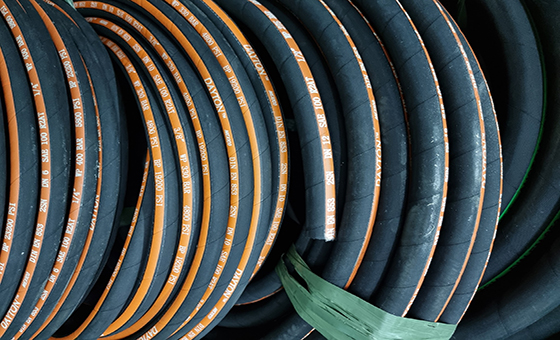
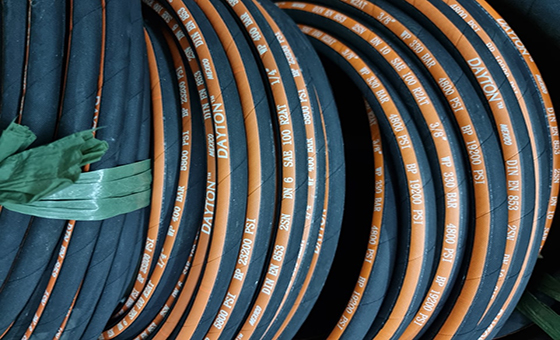
Choke and Kill Hose is strictly manufactured in accordance with API 16C standards (FSL0-FSL3 grades), adopting a multi-layer composite protective structure. Each layer works synergistically to balance high-pressure resistance, corrosion resistance, fire protection and flexible adaptation, fully meeting the strict requirements of oil and gas well control operations. Every structural design focuses on the core demand of well control safety.
1. Inner Tube: Corrosion-Resistant and Medium-Compatible Transmission Core
Made of high-quality hydrogenated nitrile rubber (HNBR), it has excellent oil resistance, acid-alkali resistance and hydrogen sulfide (H₂S) corrosion resistance. It can effectively resist the erosion of various media such as oil-gas mixtures, water-based/oil-based killing fluids and foam killing fluids, prevent medium penetration, and ensure clean and stable fluid transmission. The working temperature range covers -29℃ to +121℃, and the specially customized version can extend to -55℃ to +150℃, adapting to different climates and operating environments.
2. Reinforcement Layer: High-Pressure and Impact-Resistant Supporting Framework
The core reinforcement structure consists of 4-6 layers of high-strength, high-tensile spiral steel wires or steel cables alternately wound, supplemented by a special braided fiber layer for auxiliary reinforcement. This enables the hose to withstand a rated working pressure of 5000-15000PSI (345-1034bar), and the burst pressure can reach 2.25 times the working pressure (up to 33750PSI). It can effectively resist the instantaneous high-pressure impact during well control operations, avoid hose deformation or damage due to high pressure, and ensure structural stability under extreme pressure.
3. Protective and Outer Cover: Fireproof and Wear-Resistant Safety Barrier
The outer layer is made of high-temperature resistant, fire-retardant synthetic rubber, which can withstand 704℃ open fire for 30 minutes. It also has excellent wear resistance, ozone resistance and weather resistance, and can resist mechanical friction, ultraviolet radiation and marine salt spray corrosion on drilling platforms. Some specifications are additionally equipped with stainless steel protective armor to further improve impact resistance and damage prevention, protect the internal structure from external damage, and adapt to the harsh environment of offshore drilling.
II. Core Advantages of Choke and Kill Hose: Dual Guarantee for Well Control Safety
Relying on API 16C standard technology and high-quality materials,
LETONE Choke and Kill Hose demonstrates six irreplaceable core advantages targeting the pain points of high pressure, strong corrosion and flammability in well control operations, far exceeding the performance standards of ordinary drilling hoses and building a solid safety line for well control operations.
1. Compliant with API 16C Standard, Globally Applicable for Well Control
Strictly following API 16C international standards and ABS certification, covering FSL0-FSL3 full grades, it can be seamlessly connected with choke manifolds, kill manifolds and blowout preventer (BOP) systems of various global drilling platforms without additional adaptation adjustments. It is suitable for well control operations in the EU and global oil and gas markets, reducing procurement and application costs. At the same time, it passes 100% factory pressure testing with authoritative test reports, and the quality is traceable.
2. Ultra-High Pressure and Impact Resistance, Adapting to Extreme Well Control Conditions
The rated working pressure covers 5000-15000PSI, and the burst pressure is far higher than industry standards. It can easily cope with instantaneous high-pressure impacts during well control operations, especially in the emergency disposal of well kicks and blowouts. It can stably transport high-pressure killing fluids, helping operators quickly control downhole pressure, avoid accident expansion, and gain valuable time for emergency disposal.
3. Corrosion and Fire Resistance, Adapting to Complex Media and Environments
The HNBR inner tube can effectively resist the corrosion of dangerous media such as hydrogen sulfide (H₂S) and oil-gas mixtures, eliminating safety hazards caused by medium leakage. The fire-retardant outer cover can withstand high-temperature open fire burning, reducing the risk of fire spread during well control operations. It also adapts to complex environments such as onshore deserts and offshore salt spray, improving the service life of the hose.
4. Excellent Flexibility, Adapting to Platform Displacement and Complex Pipelines
Compared with traditional rigid steel pipes, the hose has excellent flexibility and fatigue resistance, which can adapt to the relative displacement of drilling platforms and drilling ships, as well as the complex pipeline layout of choke manifolds and kill manifolds. It can be quickly laid and installed in narrow spaces without heavy installation equipment, greatly shortening construction and emergency disposal time and improving operational efficiency.
5. Reliable Sealing, Eliminating Leakage Risks
Adopting an integrated crimped fitting design, the fitting is seamlessly connected with the hose. Combined with special seals, it has excellent sealing performance, without leakage hazards at traditional joints. It also has good tensile and deformation resistance, and can maintain sealing stability under long-term vibration and high-pressure conditions, ensuring the safety of operators, equipment and the environment.
6. Full-Spec Customizable, Adapting to Diverse Well Control Needs
It provides full specifications of 2"-5" (inner diameter 50-127mm), and the length can be customized to 5-80 meters/roll. It can be equipped with stainless steel armor, special temperature adaptation formulas, etc. according to customer needs, adapting to well control operations of different drilling depths and pressure levels. It also provides 1-year after-sales service and global technical support to solve various problems in customer selection, installation and maintenance.
III. Typical Application Scenarios of Choke and Kill Hose
With its excellent well control performance, LETONE
Choke and Kill Hose is widely used in the entire process of well control in global onshore and offshore oil and gas drilling, becoming an indispensable core safety equipment for drilling platforms and adapting to various harsh well control scenarios.
1. Well Control Operations on Offshore Drilling Platforms
Adapting to the choke and kill systems of semi-submersible drilling ships and drilling platforms, it is used to connect blowout preventers and manifolds, and transport oil-gas mixtures containing hydrogen sulfide and killing fluids. With stainless steel armor protection and salt spray corrosion resistance, it resists the harsh offshore environment, ensures the safety of offshore drilling well control, and meets the pipeline adaptation needs brought by platform displacement.
2. Well Control Operations in Onshore Oilfields
Suitable for drilling and workover operations in onshore deserts and plain oilfields, especially for oil wells containing hydrogen sulfide and highly corrosive media. It is used for emergency disposal of well kicks and blowouts, stably transporting killing fluids, controlling downhole pressure, and tolerating high temperatures and low cold in deserts to ensure stable operation around the clock.
3. Connection of Choke and Kill Manifolds
As a flexible connection component for choke manifolds and kill manifolds, it can alleviate losses caused by pipeline vibration, adapt to the complex layout of manifolds, ensure stable transmission of high-pressure fluids, and help operators accurately adjust downhole fluid flow and pressure to maintain the normal order of drilling operations.
4. Emergency Well Control Disposal
In emergency situations such as well kicks and blowouts, it can quickly connect emergency killing equipment and transport high-pressure killing fluids, helping operators quickly "kill" the oil well, restore downhole pressure balance, avoid accident expansion, and minimize casualties, equipment damage and environmental pollution.
IV. LETONE Choke and Kill Hose: Quality Assurance and Global Services
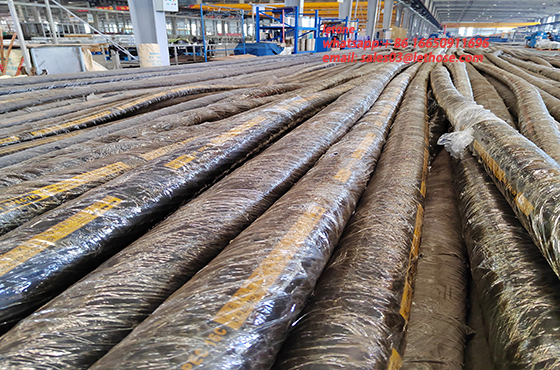
LETONE Choke and Kill Hose is manufactured with modern automated production equipment and a strict quality control system. Each hose undergoes pressure testing, leakage testing, fire testing and wear testing to ensure compliance with API 16C standards and customer requirements. LETONE provides full-specification products (2"-5") and supports customized solutions. It also has a professional technical team to provide full-process services from selection, installation to maintenance. The products are exported to major oil and gas producing areas around the world, becoming a trusted partner for global oil and gas enterprises in well control operations.
V. Conclusion
As the "safety lifeline" of well control operations in oil and gas drilling, the performance of the choke and kill hose directly determines the safety and efficiency of well control operations. LETONE API 16C Choke and Kill Hose, with API 16C standards as the core, has become an ideal choice for global well control operations with outstanding advantages such as ultra-high pressure resistance, corrosion resistance, fire protection and flexible adaptation, adapting to various onshore and offshore well control scenarios and building a solid safety line for drilling operations. In the future, LETONE will continue to deepen the field of oil and gas hoses, optimize product performance, improve customized services, and provide higher quality, safer and more reliable well control hose solutions for the global oil and gas industry.